
Stay Grounded In Difficult Times
We can't control what life throws our way, but we can control how we respond to it. How do you accept "what is?" How do you accept the reality you find yourself in and still feel ok, not happy, but ok? Most of us hit a road bump and find ourselves looping in the negative moment. We tell our friends. We repeat it to our self. We question how life could result in this outcome. What if you have a bad moment and you find yourself still feeling fine. Wouldn't that be great?

Jared Angaza: Bring the Soul into Your Brand

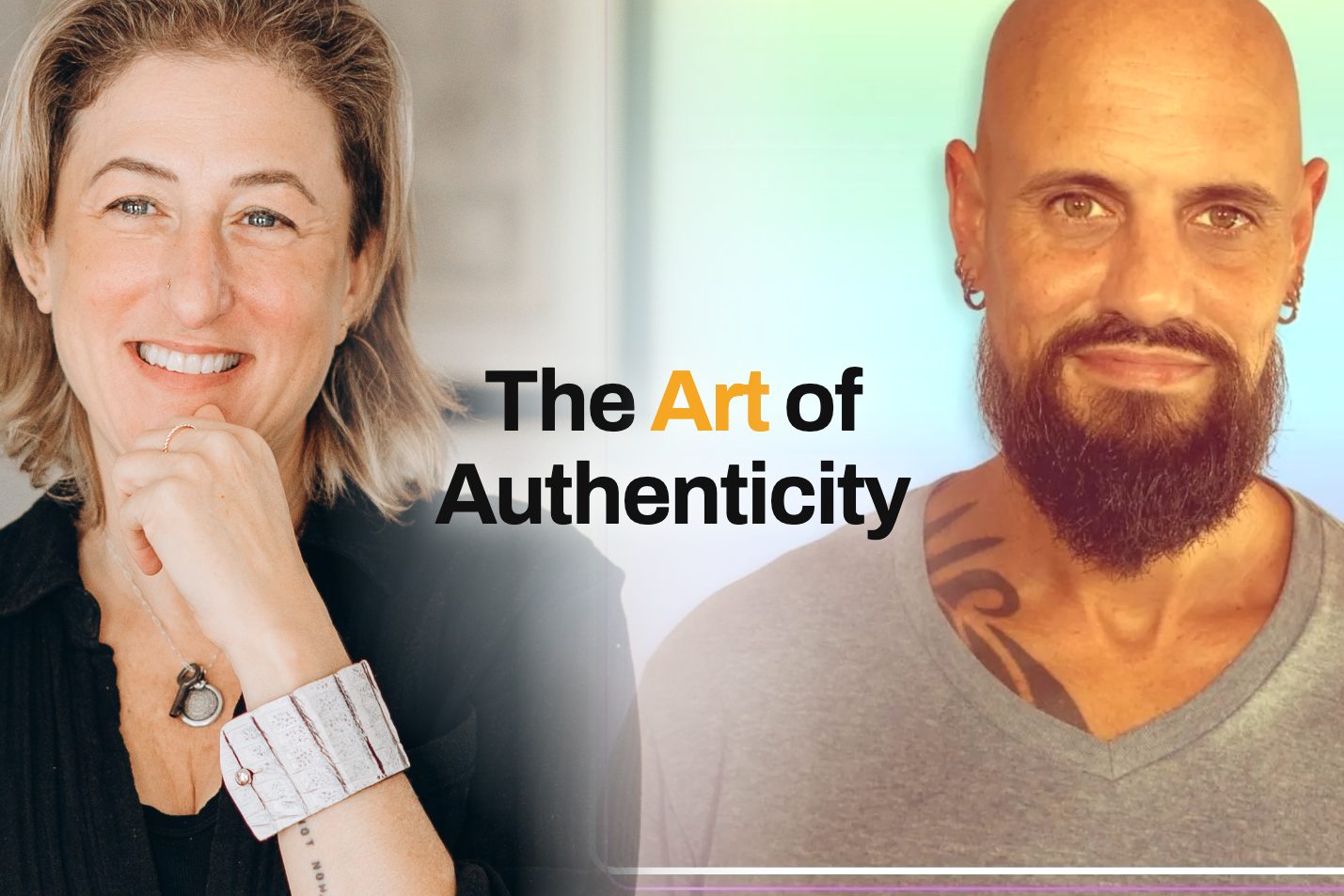
In this episode of Art of Authenticity I had a conversation with Jared Angaza, Strategist, Philanthropist, and creator of brands.
Today on the podcast we have Jared Angaza joining us. Jared and I was introduced a few weeks ago and since then, I have to say, he is somebody I would consider a friend. We just hit it off right off the bat and I think when you hear this episode you’ll know why.
Jared is a strategist and a philanthropist, and has created strategies, brands, and campaigns and events for 20 years. The thing that is super cool about Jared is that he really believes in creating brands with soul. He feels strongly that there should be something called “conscious philanthropy” and “brand alchemy” present within every brand. He definitely takes this idea of brand and how to imagine the possibilities of identity and experience to a totally different level.
Jared is also the coauthor of the book, Wisdom Meets Passion, that he wrote with his father and bestselling author, Dan Miller. Overall, Jared is super creative, he is a very interesting guy, who has traveled the world and I just loved talking to him. We have a mutual passion for authenticity, so we had a great discussion. Definitely have a listen, and let me know what you think.
Thanks for Listening
Again, thank you so much for your support! Please subscribe to the podcast if you haven’t already!
Show Notes
-
Discover what is different about Jared’s approach to creating strategies and brand for companies. [2:40]
-
Hear as Jared shares practical examples of the tough questions you need to answer when it comes to branding. [4:21]
-
Learn how Jared helps his clients work through the process of starting with their “why”. [6:06]
-
Find out how Jared responds to and guides someone who is superficially engaged with their brand. [7:59]
-
Understand what the term “conscious philanthropy” is and how it can help elevate the quality of life for people. [9:38]
-
Learn how to factor in the psychological and emotional elements of communication. [16:51]
-
Discover what it means to tap into what makes other feel that you care and that you are truly listening to them. [19:00]
-
Find out what it means to have patience and respond deliberately to discover your authentic self. [21:18]
-
Hear about Jared’s path, and how his authentic life started at a very early age. [26:35]
-
Jared shares about his new podcast, Inipi Radio and the concept of embracing our interconnectedness. [29:52]
More About Jared
-
Jared’s Website — http://www.jaredangaza.com/
-
Jared on Twitter — https://twitter.com/jaredangaza
-
Jared’s Podcast, Inipi Radio — http://www.jaredangaza.com/inipi-radio/
Episode Resources
The Still Point
In this episode of The Art of Authenticity, Laura Coe talks about the still point: the place of calm you can find within.
Related episodes
Gretchen Rubin: Habits, Tendencies and How to Be Yourself
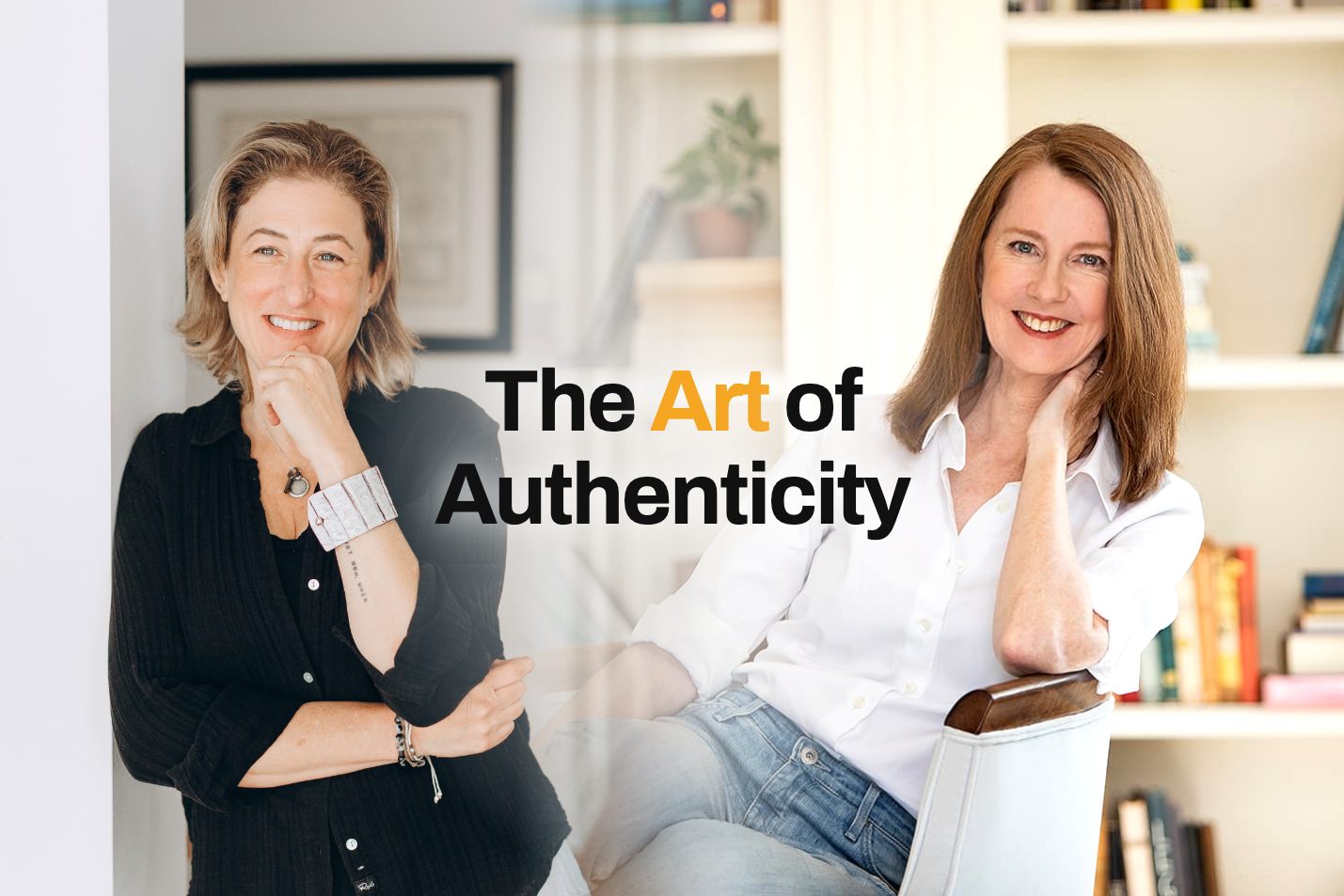
In this episode of The Art of Authenticity, Laura Coe talks with Gretchen Rubin, author of The Happiness Project and other New York Times bestsellers.
About Gretchen Rubin
Gretchen Rubin is the author of several books, including the bestsellers Better Than Before, The Happiness Project and Happier at Home. Her books have sold more than two million copies worldwide, in more than thirty languages. She also hosts the podcast Happier with Gretchen Rubin with her sister Elizabeth Craft.
No one-size-fits-all habits
People often ask how to structure the day or stay organised. Waking at 5am, jogging and then meditating isn’t a universal answer. Gretchen’s point: you have to do it in a way that works for you, and let go of the idea that there is one right way to set up habits. Most of us fail because we are not honest about what works for us. We don’t know how we operate, so we don’t know how to make the changes we want.
Show Notes
-
How Gretchen went from being a supreme court justice to becoming a writer. [4:11]
-
The importance of wanting to “talk shop” and following your passion. [5:19]
-
What inspired Gretchen’s first book, Power, Money, Fame, Sex: The users guide. [6:25]
-
Why Gretchen decide that she would rather fail as a writer than be successful as a lawyer. [8:10]
-
How The Happiness Project started out as just a person project for Gretchen in her own life. [10:13]
-
Why incorporating social media and branding is unique to each style of writer. [13:25]
-
What it means to shine a light on the ideas of others and how it can benefit you as an authority in the space. [14:58]
-
Why habit formation has no one-size-fits-all guide, and no one way is right or wrong. [18:25]
-
How to better implement habits and change your lifestyle by identifying the root problem. [26:04]
-
Gretchen shares in detail the tendencies she describes in her new book, The Four Tendencies. [29:06]
-
Learn why it is important not to get in other people’s way, but instead help them find what works best for them. [37:34]
-
Why identifying who we envy can help us to learn more about who we are ourselves. [46:06]
-
Hear Gretchen’s view on whether or not you can be happy when you live an inauthentic life. [48:46]
More About Gretchen
Frequently asked questions
Is there a best way to build habits?
According to Gretchen Rubin, no: habit formation has no one-size-fits-all guide. You have to find what works for you.
What are the Four Tendencies?
The framework from Gretchen’s book The Four Tendencies, which she describes in detail in this episode.
Related episodes
Join Me In A One Week Cleanse
Today, I have a little call to action. I am wondering if all of you will join me in a one week cleanse. We’ve talked about the five steps of what it takes to get to a more authentic life, we’ve talked about authenticity, talked to 60, 70 people on what authenticity means, we’ve heard all of these great stories.But what’s in the way of exactly what is holding you back? What is keeping you from taking that next step? What is most difficult for you? What is the biggest obstacle?It could be the inner critic. It could be fear of failure. The impostor voices in your head are just loud and giving you a hard time. It could just be an overwhelming sense of frustration and irritation and anger is just driving you crazy. Resentments. A need to be right or wrong.This is why I'm suggesting a one week cleanse.Thanks for ListeningAgain, thank you so much for your support! Please subscribe to the podcast on iTunes if you haven't already!Episode Resources
Beth Richie: Gender, Violence and the Criminal System

In this episode of Art of Authenticity I had a thoughtful conversation with Dr. Beth Richie, the Director of the Institute of Research on Race and Public Policy.Welcome to this week’s episode of the Art of Authenticity. Today is a really special day for me because I have one of my dear friends, Dr. Beth Richie, joining us. She is the Director of the Institute of Research on Race and Public Policy and a professor of African American study’s criminology, sociology, gender and women studies and criminal law and justice at the University of Illinois at Chicago. She’s also a senior advisor for the NFL on gender violence.Beth is somebody who, if you met her, you would love her as much as I do. She’s just this warm, amazing, charismatic human being. Plus, she's just brilliant. She is also somebody who has been an activist for her entire career and shares with us stories from early days in New York where she was one of the original six women who started the idea of women shelters, how that experience shaped her career and her focus in trying to bridge the gap between the women who were under privileged, experiencing domestic violence, and domestic violence as a whole for privileged white culture.Beth has been instrumental in moving this conversation forward but she is also honest, candid, open, and shares with us many ways in which she feels the system is still struggling today, as most of us are aware, with the movements like Black Lives Matter. Tune in, listen to this show. She’s just got so much insight and I feel like every point she made, I could have dove into for an hour. She’s got such depth of experience and knowledge, so I hope you enjoy today’s show.
Thanks for Listening
Again, thank you so much for your support! Please subscribe to the podcast if you haven’t already!
Show Notes
-
Why Beth landed in the field of teaching and writing about African American studies, women and violence, and the criminal system. [3:34]
-
Understand the gap that Beth discovered between women in the white communities and the experiences of the African American communities [8:38]
-
Hear how the disparity of what protection and safety looks like if you’re from one neighborhood to another is still profoundly unchanged. [12:57]
-
Why women who were underprivileged end up being criminalized for not reaching out to services that will not work for them in the first place. [14:37]
-
Learn why in fact we’ve got a country that is organized around the criminalization of things where people actually in fact need help. [19:17]
-
Hear the story of when Beth was uninvited to her own cause. [23:31]
-
Discover Beth’s view on prisons and their value, or lack their of, in society. [36:00]
-
Understand what an authentic life means to Beth and her daily practices. [40:29]
More About Beth
-
Institute for Research on Race and Public Policy — http://irrpp.uic.edu/
-
African American Studies UIC — https://aast.uic.edu/aast/people/faculty/beth-richie
Episode Resources
What Authenticity is NOT
After the five-part series I did earlier this year, I was thinking, “What is it that I really want to talk about next?” And it hit me.
What 65+ guests said authenticity is
I’ve talked to over 65 people about what authenticity means to them. At the end of every podcast, I ask them this question: what does an authentic life mean to you? If you’ve listened, you know there is definitely a pattern. People say similar things.
The question no one asks
But I’ve never asked them about what authenticity is not. Everybody’s talking about what it is, what their definition of it is, what it looks like in life, what it looks like over a career or over decades, how it changes, how you could get more in touch with it… but what is it NOT?
Frequently asked questions
What do guests say authenticity means?
Laura has asked more than 65 guests what an authentic life means to them, and there is a clear pattern: people say similar things.
Why ask what authenticity is NOT?
Everyone talks about what authenticity is. Looking at what it is not offers a different way into the question.
Related episodes
- A Primer on How to Find Authenticity in Your Life
- Why Authenticity Matters More Than Happiness
- How to Live Your Truth
Go deeper into these ideas in Laura Coe’s books.
Jeff Brown: Read To Lead

In this episode of Art of Authenticity I had a thoughtful conversation with Jeff Brown, the host of the popular podcast, Read to Lead.Jeff Brown a podcaster, mentor and speaker. His goal: to help you bridge the gap between intentionality and implementation.He spent 26-years in radio. He even co-hosted an award-winning and nationally syndicated morning show from 2002 to 2008.Since January 2014, He has leveraged his radio background to coach numerous podcasters, helping dozens create, launch, grow and monetize their shows. People like Brendan Hufford, Liz Covart, Harry Duran, Darrell Darnell, Ben Castleberry and Nicole Welch have all been his clients. I’ve even been blessed with the opportunity to consult with the US government and several multi-million dollar companies the last few years.
Jeff was also a consultant, and he talks to people about how to create a podcast. He helped me early on and he is just a really great guy. Jeff has recently launched a new
where they read books and they meet to talk about the books and set goals to actually implement all the advice that the books suggest, to see the results in their own lives.
Thanks for Listening
Again, thank you so much for your support! Please subscribe to the podcast if you haven’t already!
Show Notes
-
Hear Jeff’s story of how he crash landed into his first radio job. [3:46]
-
How Jeff transitioned from the radio industry into the podcasting world. [3:46]
-
Why Jeff was fired from all of his radio jobs, except for one. [5:13]
-
Find out what Jeff learned in the radio industry and how he applied that in the podcasting world. [8:09]
-
What it means to connect to the audience, and Jeff’s golden rule. [9:56]
-
Discover why Jeff chose the topic of “Read to Lead” for his podcast. [11:54]
-
Why Jeff believes in vetting new guests that come on the podcast is key in staying authentic. [17:12]
-
Find out which are Jeff’s favorite books from all the many authors that have come his show. [21:00]
-
How Jeff defines an authentic life and why he believes you have to start with yourself. [23:28]
-
Jeff shares his tips and practical applications to ensure that you do not make inauthentic decisions. [27]
More About Jeff
Jeff Brown: http://readtoleadpodcast.com/ Jeff Brown on Twitter — https://twitter.com/thejeffbrownRead to Lead University — readtoleaduniversity.com.Productivity Planner — https://www.amazon.com/Productivity-Planner-Daily-Non-Dated/dp/0991846222
Episode Resources
Why Living Your Truth Takes Daily Practice
Welcome to this week’s episode of The Art of Authenticity. This is part five of a five-part series. If you’re still with me, thank you for sticking it out through to the end.
The steps that led here
These steps are what have freed me on my path to my truth, and hopefully they have helped you along your way. We went through awareness, taking responsibility, making choices, and taking action from your truth.
Step five: practice your truth
So here we are, step five: Practice Your Truth. Why is step five, practicing your truth, so important? That’s what this episode is about.
Frequently asked questions
What are the five steps to living your truth?
Awareness, taking responsibility, making choices, taking action from your truth, and practicing your truth.
Why does living your truth take daily practice?
Laura explains in this final episode of the series why practicing your truth is so important.
The five-part series
This episode is part of Laura’s five-part series on living an authentic life: 1. Awareness Re-Defined · 2. Radical Responsibility · 3. How to Make Choices That Matter · 4. How to Live Your Truth · 5. Why Living Your Truth Takes Daily Practice. It starts with How Do We Define a Happy Life?
Tony Wrighton: Travel, Zen, and Productivity

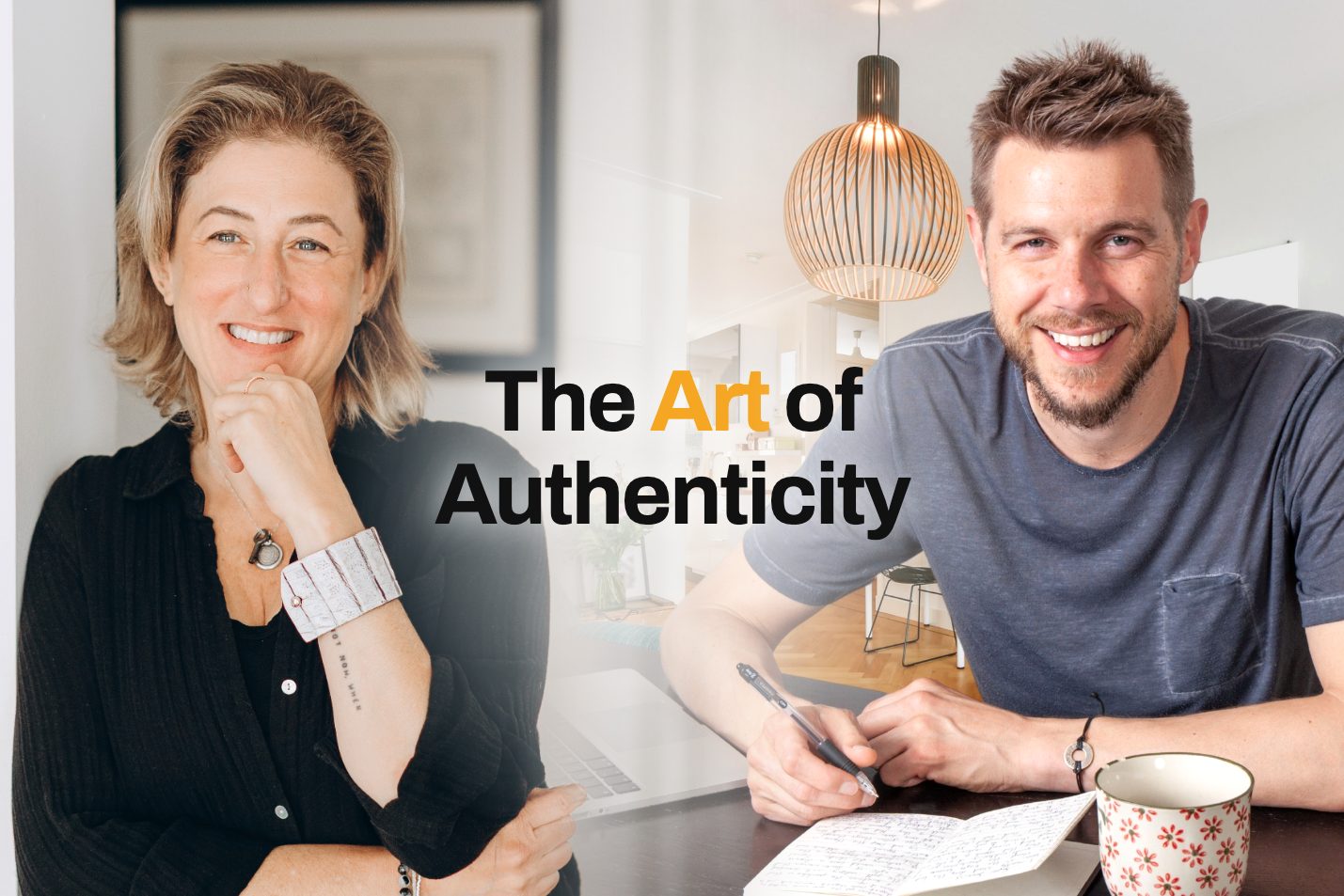
Today on the podcast we have Tony Wrighton joining us. Tony is the host of the popular podcast, Zestology: Live with energy, vitality, and motivation. On his podcast, he interviews a wide range of experts in the field of health and personal development. Obviously we have a lot in common given that the Art of Authenticity is all about how to live life with meaning and his passion is talking about energy, vitality, and motivation.Tony is a personal development author and presenter. He has published three books in 12 different languages and is one of the country's foremost experts on Neuro-Linguistic Programming, and if that wasn’t enough, Tony is also a popular presenter on Sky Sports in the UK, hosing several different sports including football, golf, basketball, hockey, and many more.In today’s chat with Tony, he shared with me an incredible trip he took, where he went to three or four different countries. On this trip he stopped in at a place called 40 Years Zen, where he had the opportunity to attach probes to his mind and engage in meditation done on a scientific level. This gives you the benefits in a ramped up, incredible way inside a very short window. It sounds amazing and is really expensive, but Tony shares with us his experience and all the updates of his life.We dive into a lot of secret tips on vitality and energy, why Tony keeps a tracking log of all the things he does, how to increase energy and feel better, and how he manages to get a significant amount of work done in a day. There are a lot of incredible suggest of wisdom in this episode, so I hope you enjoy it! Be sure to also check out my interview and feature on Tony’s podcast, Zestology.Thanks for ListeningAgain, thank you so much for your support! Please subscribe to the podcast if you haven’t already!Show Notes:
-
Why Tony took a whole month off to travel, where he went, and what he experienced. [3:25]
-
Discover more about the 40 Years of Zen Program in Seattle, and the benefits of it. [4:46]
-
Find out about the shift Tony was able to make meditating with neurofeedback electrodes and how it lead him to a deeper sense of authenticity. [7:42]
-
The benefits Tony realized from finding a deeper sense of authenticity awareness of self. [12:03]
-
Why Tony felt angry and overstimulated after leaving 40 Years of Zen and visiting Tokyo. [17:23]
-
What Tony is doing with his podcast and his vision for the next year to come. [23:34]
-
How Tony has used tracking to test new ideas and practices as he implements them in his life. [26:17]
-
Why “doing less” is one of Tony’s top goals for 2017. [31:49]
Links:
-
Tony’s Website — http://www.tonywrighton.com/
-
Zestology Podcast — http://www.tonywrighton.com/zestology/
-
Tony on Twitter — https://twitter.com/tonywrighton
-
40 Years of Zen Program — https://40yearsofzen.com/
-
Data Explorer app — https://itunes.apple.com/ca/app/data-explorer/id466656828?mt=8
-
Health Mapper — http://www.healthmapperapp.com/
-
Sleep Cycle — https://www.sleepcycle.com/
Episode Resources